
Collection: Thai Knives
Authentic Thai Chef Knives: Hand-Forged by Artisans Since 1800s
These Thai kitchen knives are handcrafted by blacksmith families in Ayutthaya province who have perfected their craft for over 200 years. When the Burmese invaded Ayutthaya in the 1700s, the Aranyik village began forging swords for Thai resistance forces, renowned for their superior edge and durability. Today, these same families apply centuries-old sword-making techniques to create some of the sharpest, most versatile chef's knives available.

-
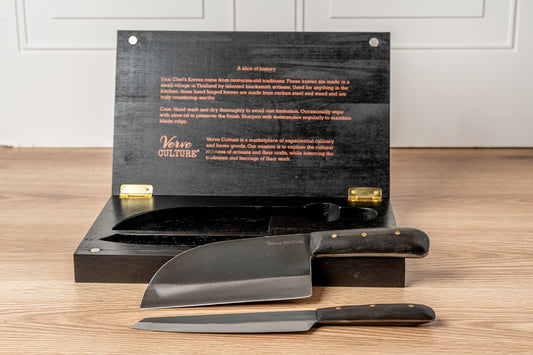
Thai Moon Knife Set
Regular price $90.00Sale price $90.00 Regular price -
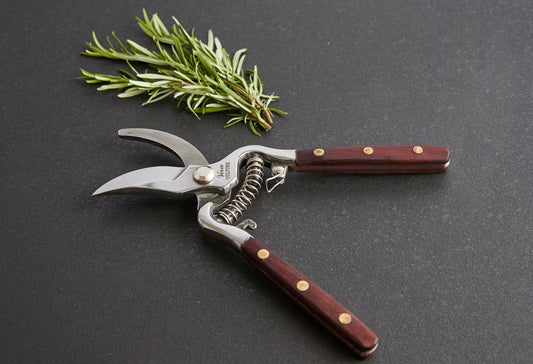
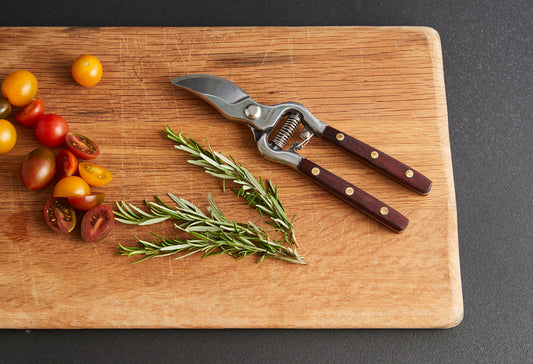
Thai Kitchen and Garden Shears
Regular price $48.00Sale price $48.00 Regular price -
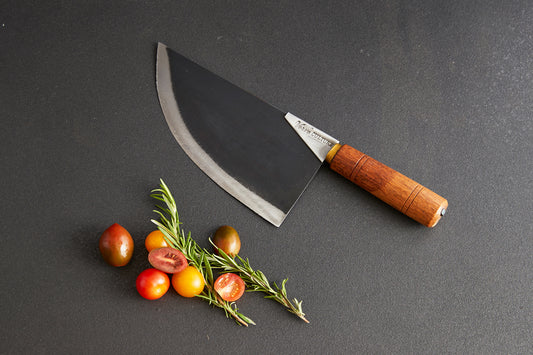
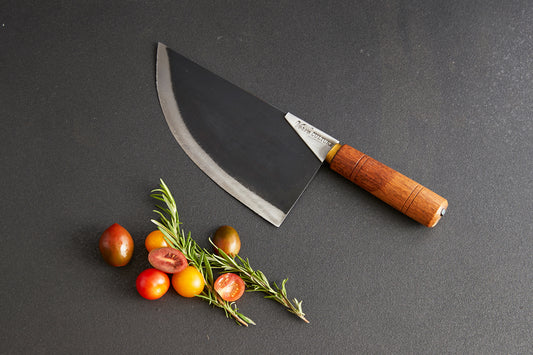
Thai Chef's Moon Knife
Regular price $70.00Sale price $70.00 Regular price -
Thai Chef's Knife #2
Regular price $80.00Sale price $80.00 Regular price -
Thai Chef's Knife #1
Regular price $80.00Sale price $80.00 Regular price -
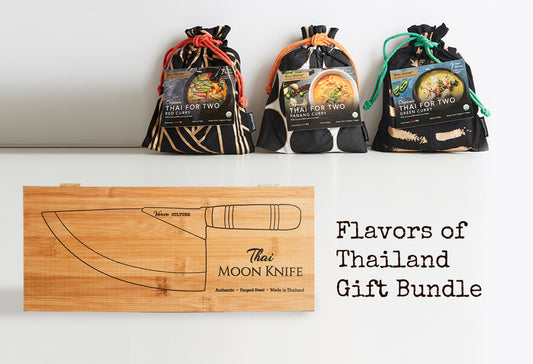
Flavors of Thailand Bundle
Regular price $100.00Sale price $100.00 Regular price -
Special Edition - Thai Knife Set
Regular price $128.00Sale price $128.00 Regular price -
 Sold out
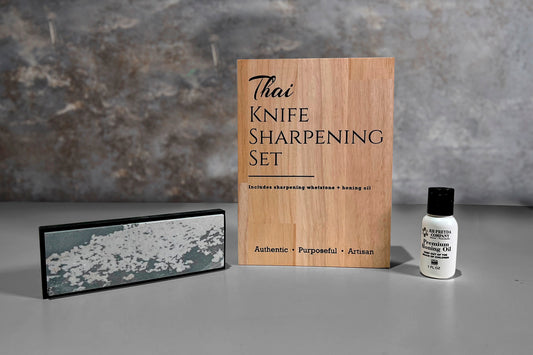
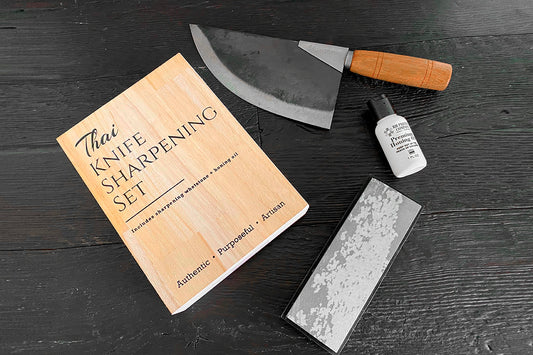
Thai Knife Sharpening Set
Regular price $55.00Sale price $55.00 Regular priceSold out
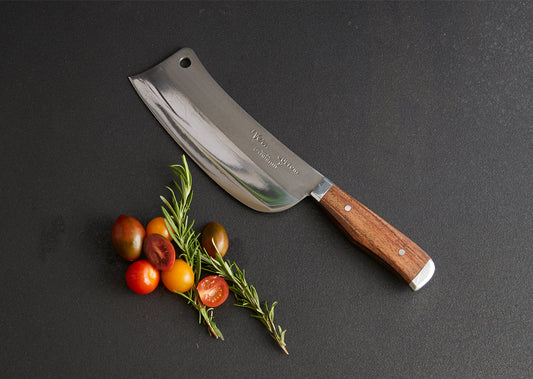
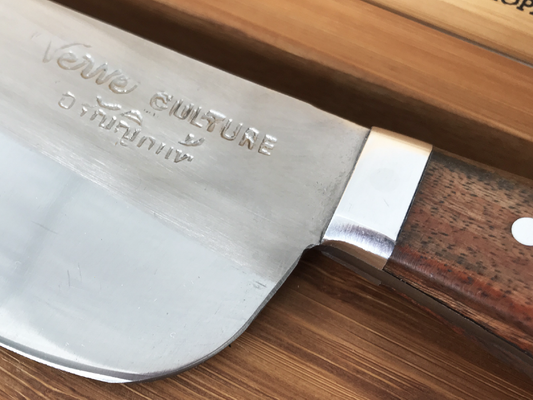
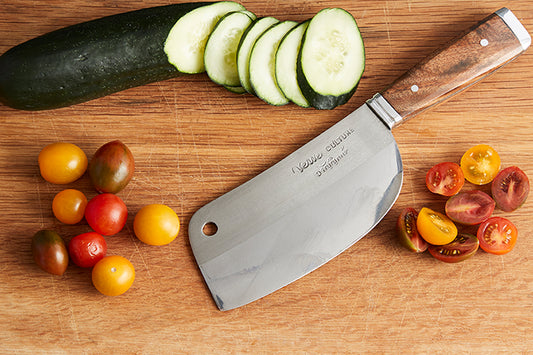
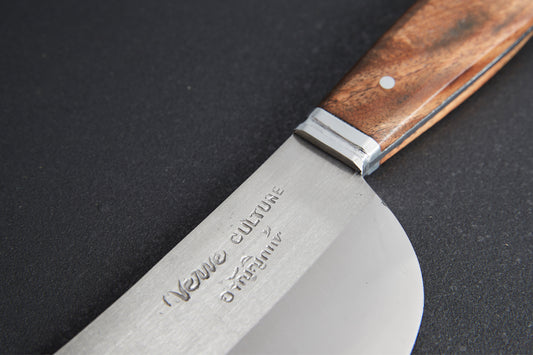

Thai Knives
Superior Edge Retention: Hand-forged knives maintain their sharpness significantly longer than stamped knives due to the densified steel structure created through repeated hammer strikes. The forging process compacts the metal, minimizing internal defects and creating a blade that requires less frequent sharpening.
Exceptional Sharpness: Traditionally used to cut through pork and bone in Thai markets, these knives feature blades sharpened using a specialized heat-tempering process. The edge is fired until it reaches "the color of a piglet," then plunged into water and reheated to achieve optimal hardness—a technique passed down through generations of Thai blacksmiths.
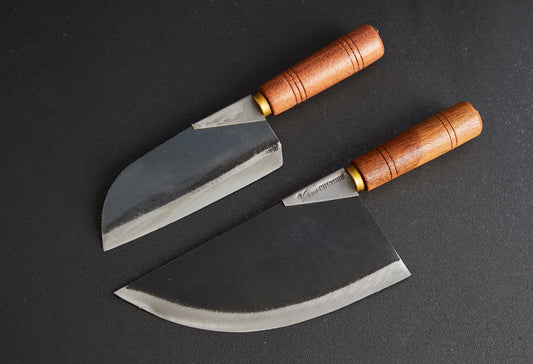
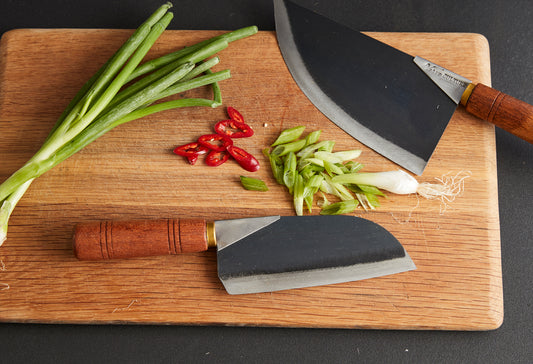
Multi-Purpose Versatility: The curved moon knife design and rectangular cleaver shapes excel at tasks Western chef's knives struggle with: slicing hard-skinned tropical fruits (dragon fruit, durian, coconut), breaking down whole chickens, chopping through dense root vegetables, and achieving paper-thin vegetable slices for stir-fries.
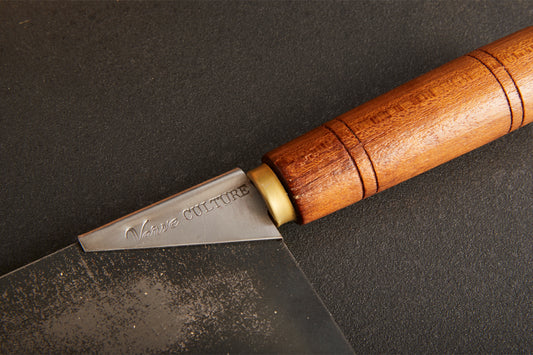
Authentic Craftsmanship: Each knife is made from stainless steel or high-carbon forged steel paired with pradu wood handles—a Southeast Asian hardwood prized for its durability and comfortable grip. Families have formed cooperatives with skilled workers specializing in each stage: forging, grinding, stamping, woodwork, and finishing.
What Makes Verve Culture's Thai Knives Different We work directly with Tee and his mother Yo, who have been making knives in Ayutthaya since Tee was a teenager. Unlike mass-market "Thai-style" knives made in factories, every knife in our collection is individually hand-forged by artisan cooperatives who have been perfecting this craft for over 200 years. When you purchase a Thai knife from Verve Culture, you're supporting these artisan families and preserving a cultural tradition that dates back to Thailand's resistance against Burmese invasion.
Who These Knives Are For Home chefs who want a versatile knife that handles both delicate slicing and heavy-duty chopping Culinary enthusiasts interested in authentic cultural kitchen tools with documented heritage Knife collectors seeking hand-forged blades with genuine provenance and artisan craftsmanship Anyone who values buying directly from makers and supporting traditional craft preservation
Frequently Asked Questions About Thai Chef Knives
What type of steel are these Thai knives made from? Our Thai knives are made from either stainless steel or high-carbon forged steel, depending on the specific knife model. The stainless steel options offer excellent rust resistance for everyday kitchen use, while the high-carbon forged steel versions provide superior edge retention and sharpness. All knives are hand-forged using traditional blacksmithing techniques that have been refined over 200+ years in Ayutthaya province, Thailand.
How do I care for and maintain a Thai hand-forged knife? Hand-wash your Thai knife with warm water and mild soap immediately after use, then dry thoroughly. Never put these knives in the dishwasher, as the harsh detergents and heat can damage the blade and wooden handle. Store in a knife block or on a magnetic strip to protect the edge. For carbon steel knives, apply a thin coat of food-safe mineral oil to the blade if storing for extended periods. Sharpen using a whetstone at a 15-20 degree angle—the hand-forged structure makes these knives easier to sharpen than stamped blades.
What's the difference between the Moon Knife and the rectangular Thai Chef's Knife? The Thai Moon Knife features a distinctive curved blade (like a crescent moon) that's ideal for rocking cuts, mincing herbs, and slicing with a smooth motion. It's particularly effective for precision work and tasks requiring a continuous cutting motion. The rectangular Thai Chef's Knife (cleaver style) has a straight edge and broader blade, making it better for chopping through bones, splitting hard vegetables like squash, and transferring cut ingredients from board to pan. Both styles are versatile—choose based on your primary cutting technique preference.
Are these knives sharp enough to cut through bone? Yes. These knives were traditionally used in Thai markets to cut pork, including through bone. The hand-forging process creates a blade dense enough to handle bone without chipping, and the traditional sharpening technique produces an exceptionally sharp edge. That said, we recommend using the heavier cleaver-style knives (Thai Chef's Knife #1 and #2) for cutting through bone, as their weight and blade thickness are optimized for this task. The Moon Knife can handle small bones but excels at precision cutting tasks.
How long will the blade stay sharp? Hand-forged knives maintain their edge significantly longer than mass-produced stamped knives due to the densified steel structure created during forging. With normal home use (cooking 4-5 times per week), expect to need honing every 2-3 months and full sharpening every 6-12 months. Professional chefs using these knives daily typically sharpen every 4-6 weeks. Proper care and storage dramatically extend edge retention.
What is pradu wood, and why is it used for the handles? Pradu wood is a hardwood native to Southeast Asia, prized for its durability, comfortable grip, and resistance to moisture damage. Thai blacksmiths have used pradu wood for knife handles for generations because it provides excellent balance and doesn't become slippery when wet—important when working in humid Thai kitchens. The wood naturally develops a patina over time, making each handle unique to its owner.
How do these compare to Japanese knives? Both Thai and Japanese knives represent centuries of blade-making tradition, but they serve different purposes. Japanese knives typically feature thinner, lighter blades optimized for precision slicing of fish and vegetables. Thai knives are heavier and more robust, designed to handle a wider variety of tasks including cutting through bone, hard-skinned tropical fruits, and dense vegetables. Thai knives are more forgiving for beginners—the thicker blade is less prone to chipping, and the hand-forged steel is easier to sharpen at home. If you want one versatile knife that can handle everything from delicate herbs to breaking down a whole chicken, Thai knives are the better choice.
Are these knives suitable for professional kitchen use? Absolutely. Many Thai chefs and home cooks consider knives from Ayutthaya province (where ours are made) to be among the best available. The hand-forged construction stands up to the demands of professional use, and the blade geometry is optimized for the rapid, repetitive cutting required in commercial kitchens. Several of the blacksmiths we work with export their knives to restaurants in Europe and North America specifically for professional chef use.