
Collection: Moroccan Ceramics
Handcrafted Moroccan Ceramics
Shop authentic Moroccan ceramics handmade by skilled artisans using traditional clay-shaping, glazing, and hand-painting techniques. This collection includes tagines, serving bowls, couscous platters, cups, and decorative pieces inspired by Morocco’s historic ceramic centers, including Fez and Safi.

-
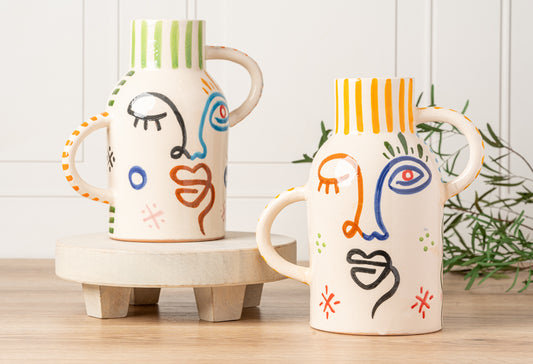
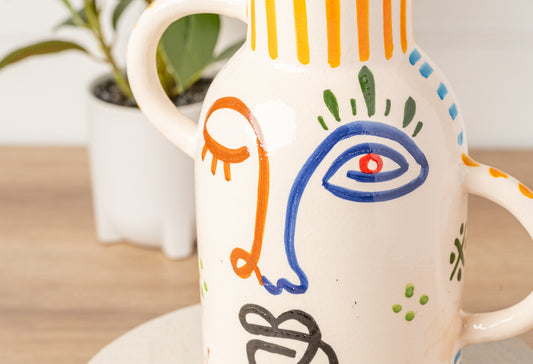
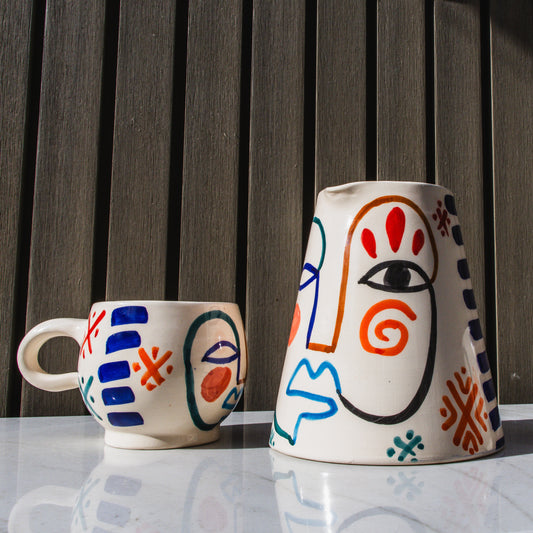
Moroccan Handpainted Visage Vase
Regular price $90.00Sale price $90.00 Regular price -
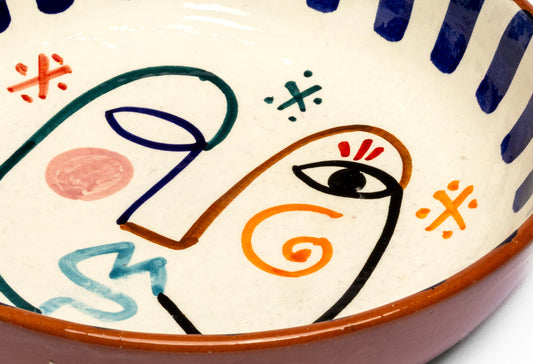
Moroccan Handpainted Visage Serving/Salad Bowl
Regular price $60.00Sale price $60.00 Regular price -
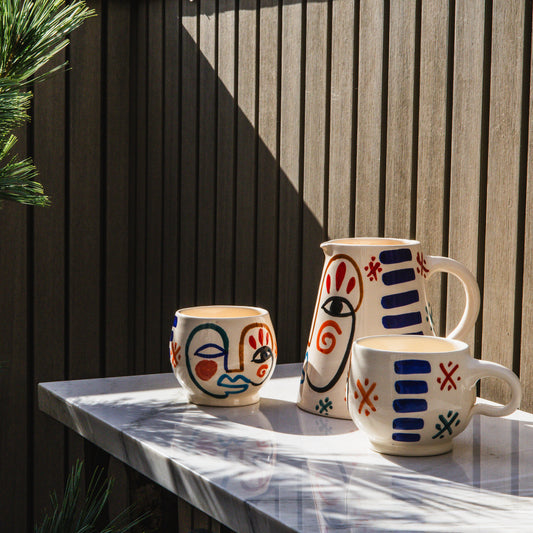
Moroccan Handpainted Visage Pitcher
Regular price $70.00Sale price $70.00 Regular price -
Moroccan Handpainted Visage Mug - Set of 2
Regular price $60.00Sale price $60.00 Regular price -
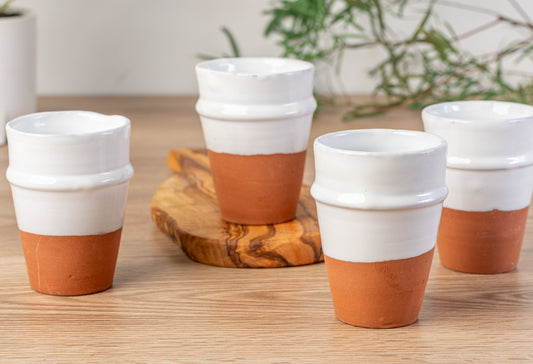
Moroccan Beldi Ceramic Cups White - Set of 4
Regular price $60.00Sale price $60.00 Regular price -
 Sold outSold out
 -
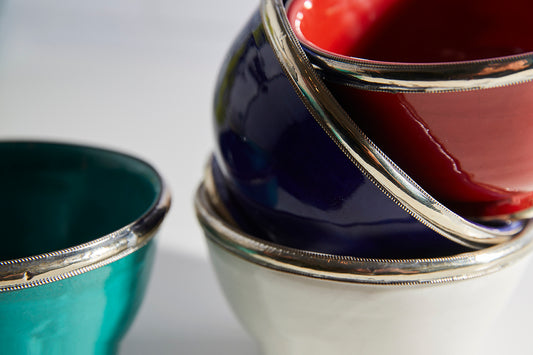
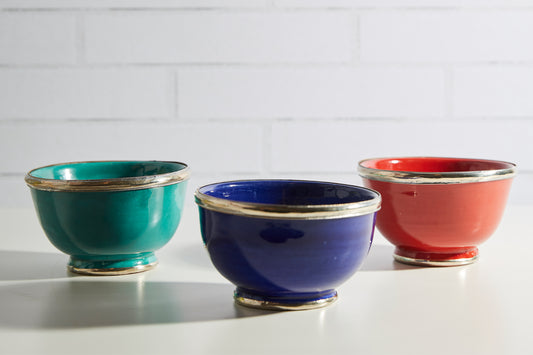
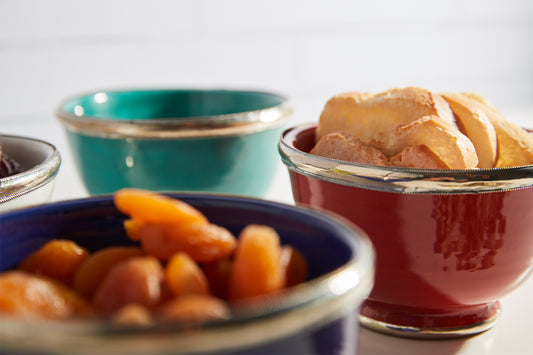
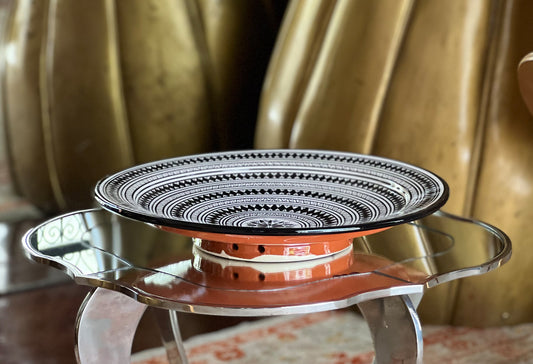
Moroccan Glazed Bowls with Berber Silver Trim- Set of 3
Regular price $60.00Sale price $60.00 Regular price -
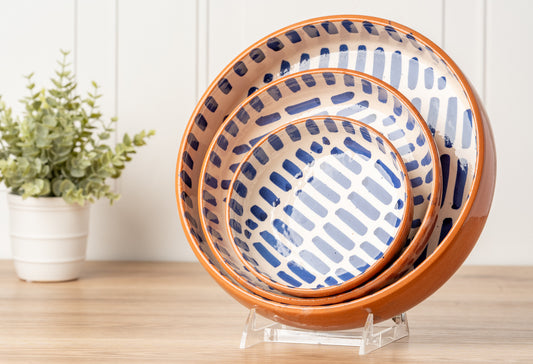
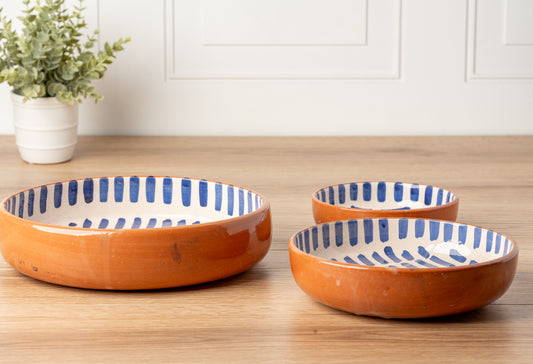
Moroccan Nesting Dish Set - Blue Stripe
Regular price $90.00Sale price $90.00 Regular price -
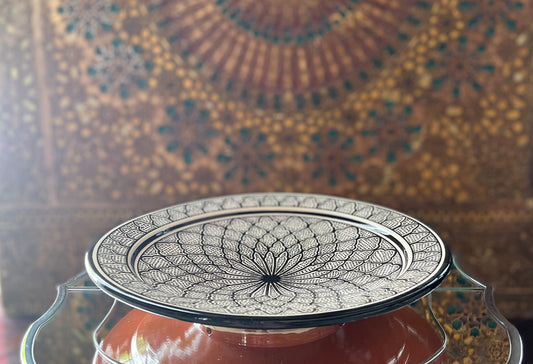
Moroccan Safi CousCous Platter
Regular price $90.00Sale price $90.00 Regular price




Moroccan Ceramics
Handcrafted Moroccan Ceramics: Authentic Pottery from Fez, Safi & Beyond
Every piece in this collection is handmade in Morocco using techniques passed down through generations for over 1,000 years. Verve Culture works directly with artisan cooperatives in Fez, Safi, and other ceramic centers, ensuring each tagine, bowl, and platter is authentically crafted—not mass-produced.
What Makes Moroccan Ceramics Special
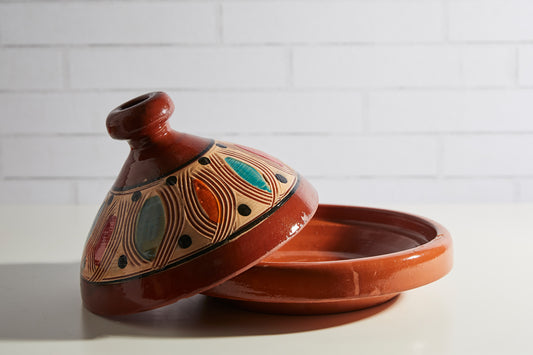
Authentic regional craftsmanship: Moroccan ceramics reflect distinct regional styles. Fez pottery features intricate hand-painted blue and white geometric patterns rooted in Islamic art traditions. Safi ceramics are known for vibrant wheel-thrown pieces with bold turquoise, red, and black glazes. Each piece is shaped by hand using traditional potter's wheels or hand-building methods, then fired in kilns using techniques refined over centuries.
Natural materials and glazes: Artisans source clay from local Moroccan deposits and use mineral-based glazes to create the signature colors—deep greens from copper and manganese, cobalt blues, chalky whites, and warm terracotta tones. Unlike synthetic finishes, these natural glazes develop subtle variations that make every piece unique.
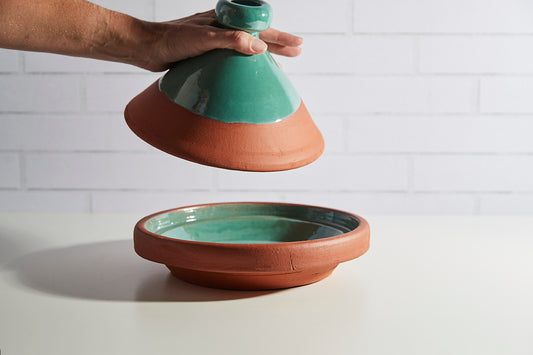
Functional cooking benefits: Moroccan tagines aren't just decorative—they're engineered for healthier cooking. The conical lid design traps steam during cooking, which condenses and drips back into the dish. This natural steam condensation cycle retains water-soluble nutrients that escape in conventional cookware, enriching the food's nutritional quality while requiring minimal added oil or fat. The earthenware material distributes heat evenly, preventing hot spots and promoting gentle, consistent cooking that breaks down proteins and fibers for easier digestion.
Handmade Moroccan ceramics offer:
- Unique character: Slight variations in glaze, pattern, and shape are signs of authentic craftsmanship, not defects. No two pieces are identical.
- Durability: Traditional firing techniques and natural materials create ceramics that last for decades with proper care.
- Cultural authenticity: Patterns carry meaning—Berber symbols, Islamic geometric motifs, and natural elements like stars and flowers represent spirituality, protection, and prosperity.
- Artisan support: Purchasing directly from artisan cooperatives sustains traditional crafts and provides fair wages to skilled makers.
Care & Use
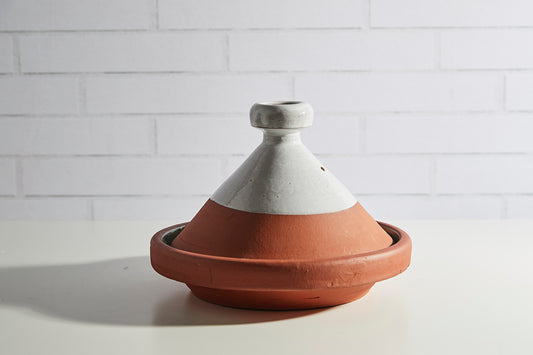
- Tagines: Season unglazed terracotta tagines before first use by soaking in water for 2 hours. Use low to medium heat only. Hand wash and dry thoroughly.
- Glazed bowls and platters: Dishwasher safe, though hand washing preserves the glaze finish longer. Microwave safe for reheating (avoid extreme temperature changes).
- Serving pieces: Food safe and suitable for everyday use or special occasions.
Collection Highlights
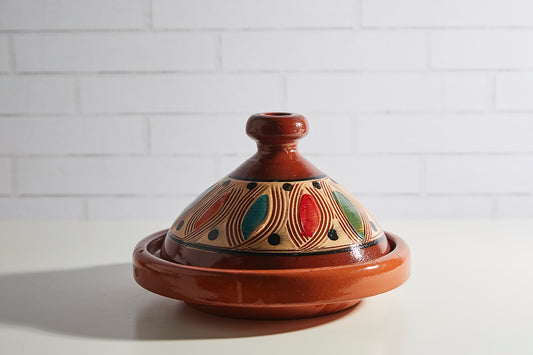
- Cooking tagines: Available in traditional (hand-painted geometric patterns) and contemporary (solid glazes) styles. Sizes range from tagines for two to family-sized vessels.
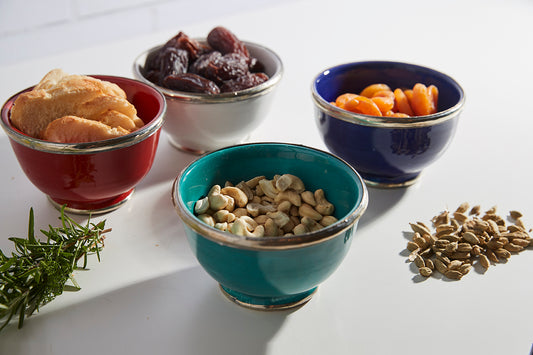
- Serving bowls with Berber silver trim: Glazed ceramic bowls in turquoise, navy, coral, and gray, finished with hand-applied silver-tone metal trim. Priced from $22 individual to $60 for sets of three.
- Couscous platters: Large serving platters (12-14" diameter) featuring intricate Safi patterns in blue and white. Perfect for communal meals or as statement wall decor.
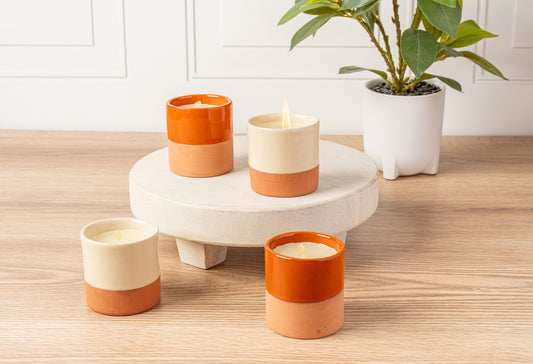
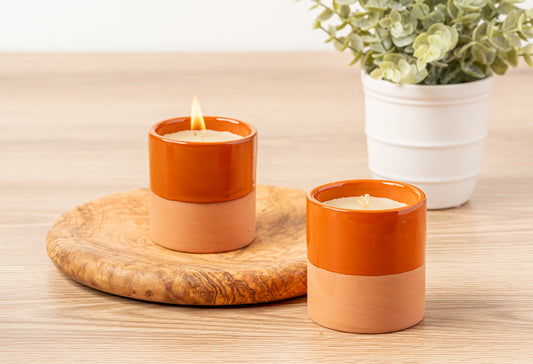
- Terracotta cups and candles: Handmade terracotta pieces with natural clay finishes and hand-painted accents. Sets of 4 cups $50; soy candles in terracotta vessels $24.
Frequently Asked Questions About Moroccan Ceramics
Are Moroccan ceramics dishwasher and microwave safe?
Glazed Moroccan ceramics (bowls, plates, serving dishes) are generally dishwasher and microwave safe, though hand washing helps preserve the glaze finish longer. Unglazed terracotta tagines and cookware should be hand washed only and are not microwave safe. Avoid extreme temperature changes with all ceramic pieces to prevent cracking.
How do I season and use a Moroccan tagine for cooking?
Before first use, soak unglazed terracotta tagines in water for 2 hours, then dry completely. Rub the interior with olive oil and bake at 300°F for 2 hours to season. Always use low to medium heat—tagines are designed for slow cooking. Add a small amount of liquid (broth, water, or oil) to the base, layer ingredients, cover with the conical lid, and cook slowly. The steam condenses inside the lid and bastes the food naturally, retaining nutrients and requiring minimal added fat.
What's the difference between Fez, Safi, and Tamegroute Moroccan pottery?
Fez pottery features detailed hand-painted patterns in blue and white, rooted in Islamic art traditions. Safi ceramics are vibrant, wheel-thrown pieces with bold glazes in turquoise, red, and black. Tamegroute pottery, from southern Morocco, has a distinctive thick green glaze made with copper and manganese, giving it an earthy, rustic appearance. Each region's style reflects its geography and cultural history.
How can I tell if Moroccan ceramics are authentically handmade?
Authentic handmade Moroccan ceramics have slight imperfections—subtle variations in glaze thickness, minor asymmetry in shape, and hand-painted patterns that aren't perfectly uniform. These are signs of genuine craftsmanship, not defects. Mass-produced ceramics look overly perfect and uniform. Check for natural clay bases, mineral-based glazes, and artisan marks or signatures.
Are Moroccan ceramics safe for food?
Yes, Moroccan ceramics from reputable sources like Verve Culture are food safe. They're made with natural clay and lead-free glazes. Glazed pieces are suitable for serving and eating. Unglazed terracotta tagines are designed specifically for cooking and have been used for centuries in Moroccan kitchens.
Can I use Moroccan ceramics in the oven?
Unglazed terracotta tagines and cookware are oven-safe at low to medium temperatures (up to 350°F). Glazed decorative ceramics should not be used in the oven unless specifically marked as oven-safe. Always avoid extreme temperature changes—don't place a cold ceramic dish into a hot oven or a hot dish into cold water.
How do I care for hand-painted Moroccan ceramics?
Hand wash with mild soap and warm water to preserve hand-painted designs. Avoid abrasive scrubbers that can damage the glaze or paint. Dry thoroughly before storing. If using the dishwasher, place pieces on the top rack and use a gentle cycle. Store with soft padding between stacked pieces to prevent chipping.
What sizes do Moroccan tagines come in?
Moroccan tagines typically range from small (serves 2, approximately 10" diameter base) to large (serves 6-8, approximately 14" diameter base). Verve Culture offers tagines for two (10" base) in both traditional hand-painted and contemporary solid-glaze styles, priced from $60-$75. The conical lid height varies by size but typically stands 8-10" tall.
Why do Moroccan ceramics have geometric patterns?
Geometric patterns in Moroccan ceramics reflect Islamic artistic traditions, where figural representations are discouraged. These patterns range from simple shapes to complex mathematical tessellations. Many designs incorporate Berber symbols representing spirituality, protection, and prosperity, or Islamic motifs like the eight-pointed star. Each pattern carries cultural meaning and reflects centuries of artistic heritage.
How does cooking in a tagine make food healthier?
The tagine's conical lid design creates a natural steam condensation cycle: steam rises from the cooking food, condenses on the cool lid surface, and drips back into the dish. This process retains water-soluble nutrients (vitamins B and C, minerals) that typically escape as steam in conventional cookware. The slow, low-heat cooking method requires minimal added oil or fat—often just 1-2 tablespoons—while the natural fats in meats provide sufficient moisture. The earthenware material distributes heat evenly, preventing nutrient loss from hot spots, and the gentle cooking breaks down proteins and fibers for easier digestion.