
Collection: Italian Olivewood Collection
Italian Olivewood Collection
Handcrafted olivewood kitchenware from artisan workshops in Umbria, Italy. Olivewood is 20-30% denser than bamboo, naturally antibacterial, and maintains structural integrity for 10-20 years with proper care. Each piece features unique grain patterns from slow-growing Mediterranean olive trees.
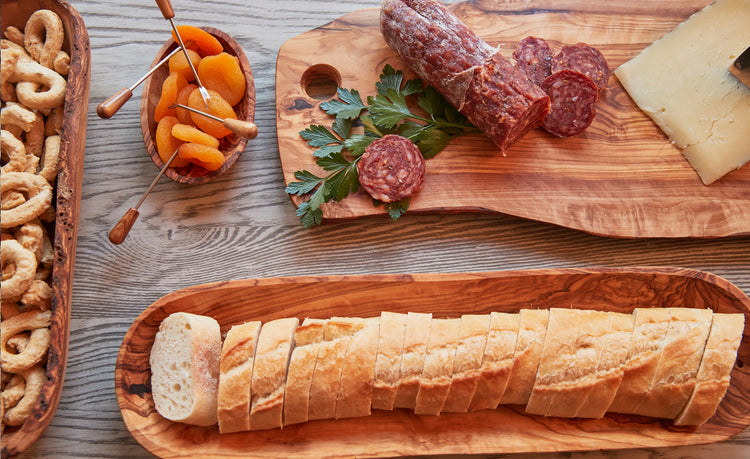
-
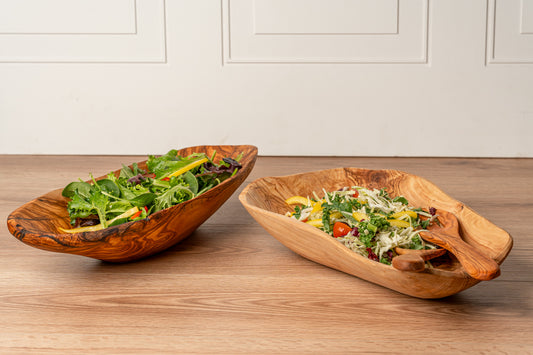
Italian Olivewood Serving Bowl
Regular price $20.00Sale price $20.00 Regular price -
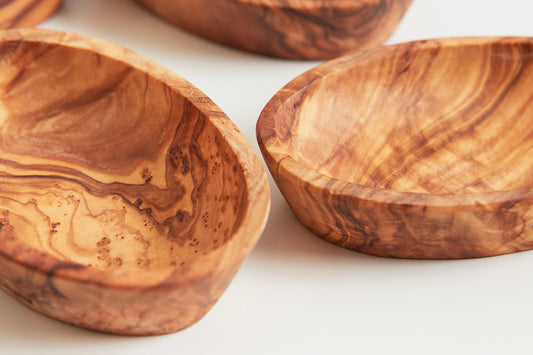
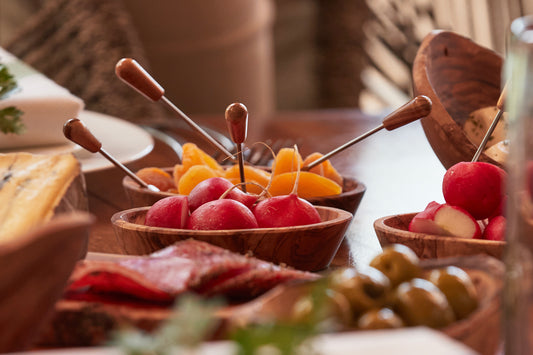
Italian Olivewood Aperitivo Bowls - Set of 4
Regular price $40.00Sale price $40.00 Regular price -
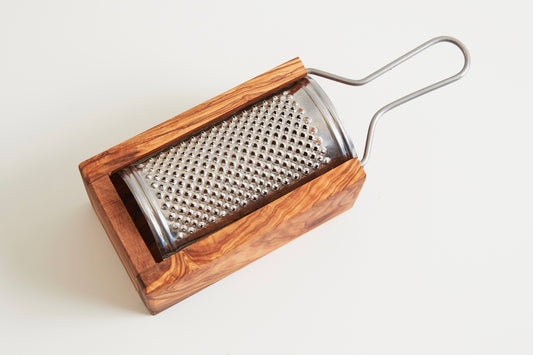
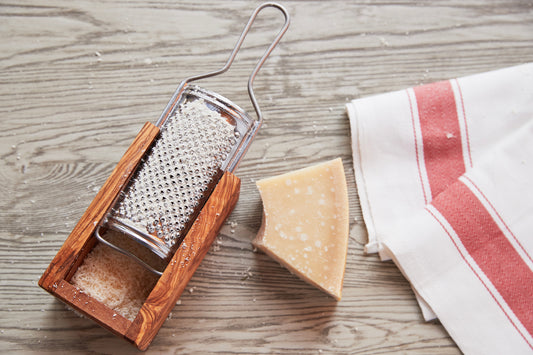
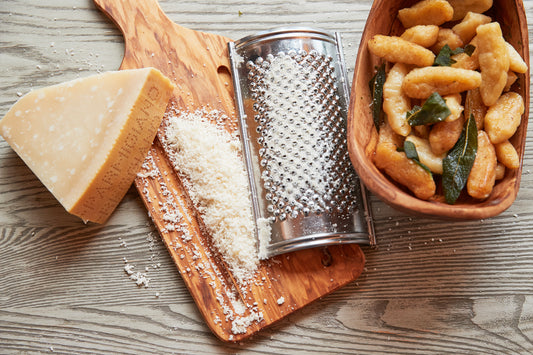
Italian Olivewood Parmesan Cheese Box Grater
Regular price $40.00Sale price $40.00 Regular price -
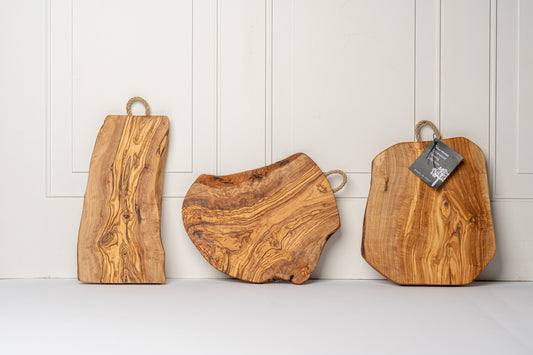
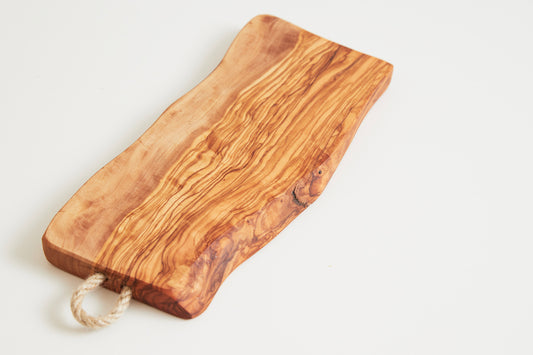
Italian Olivewood Charcuterie Board - Rope Handle
Regular price $50.00Sale price $50.00 Regular price -
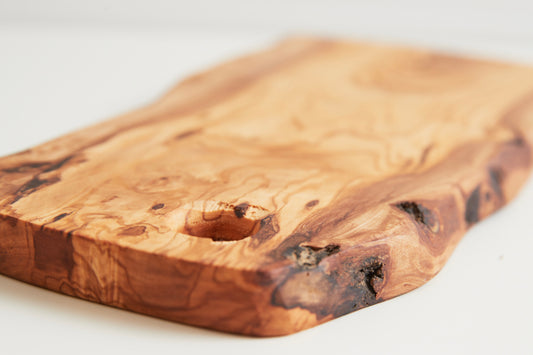
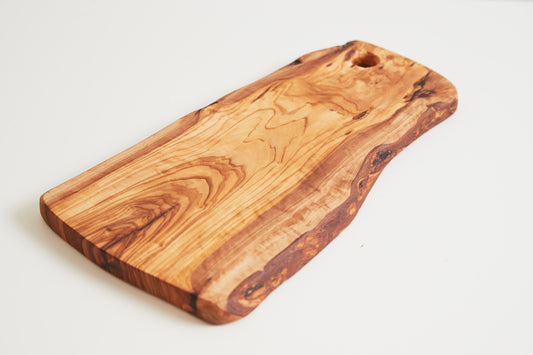
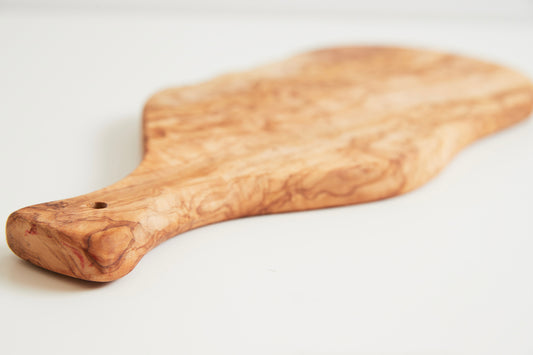
Italian Olivewood Charcuterie Board - with Hole
Regular price $50.00Sale price $50.00 Regular price -
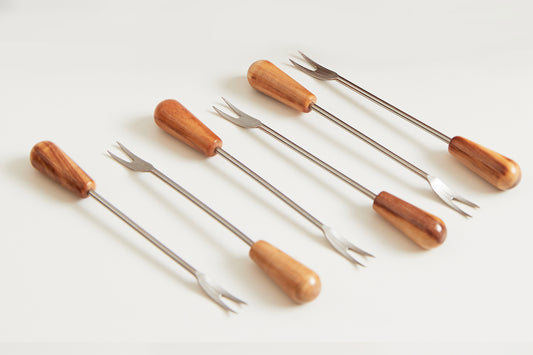
Italian Olivewood Aperitivo Forks - Set of 6
Regular price $24.00Sale price $24.00 Regular price -
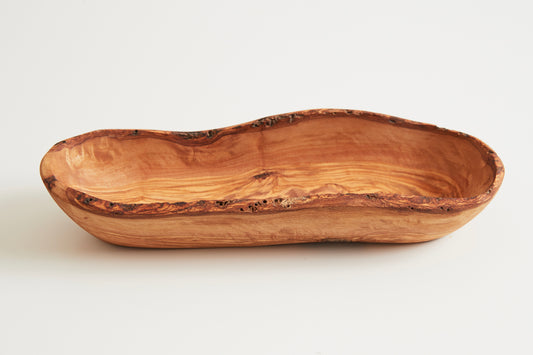
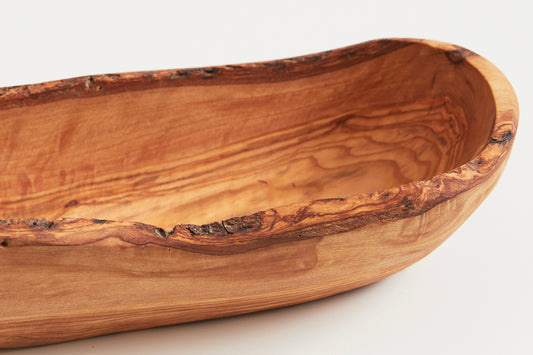
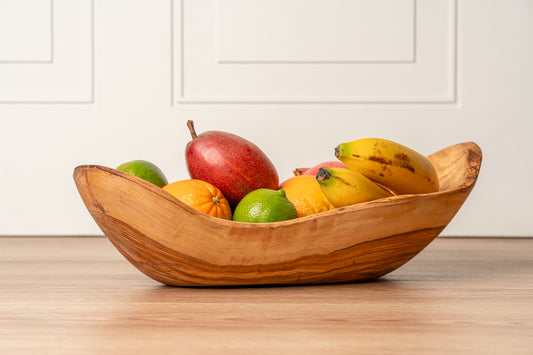
Italian Olivewood Boat Bowl with Live Edge
Regular price $48.00Sale price $48.00 Regular price -
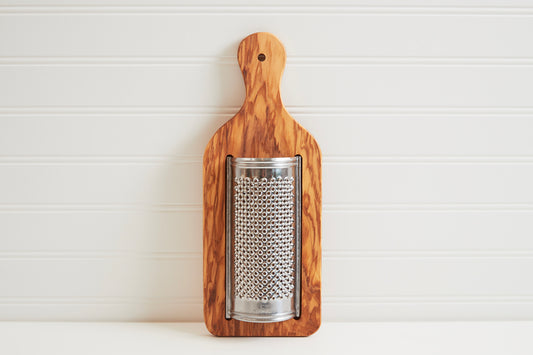
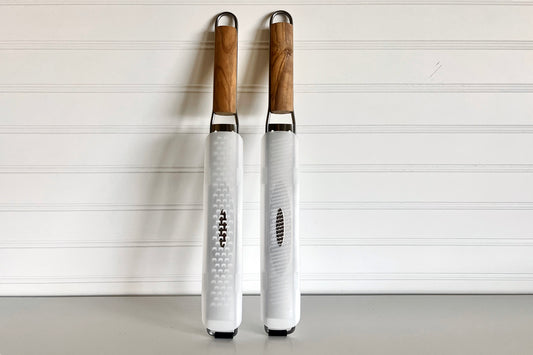
Italian Olivewood Parmesan Cheese Grater - Flat
Regular price $35.00Sale price $35.00 Regular price -
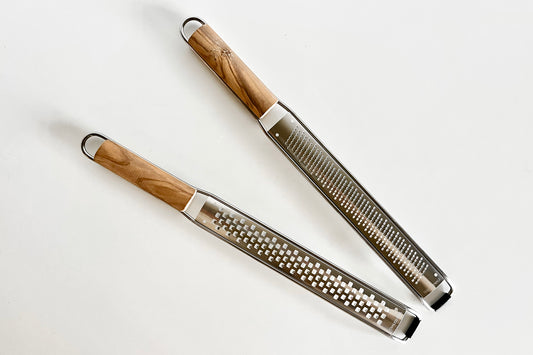
Italian Olivewood Mandolin Paddle Grater
Regular price $36.00Sale price $36.00 Regular price -
Italian Olivewood Root Salad Bowl
Regular price $160.00Sale price $160.00 Regular price -
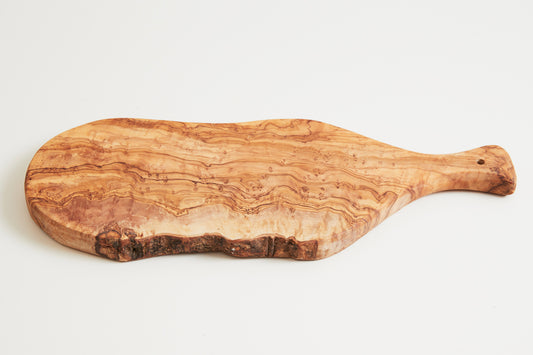
Italian Olivewood Charcuterie Board - with Paddle Handle
Regular price $40.00Sale price $40.00 Regular price -
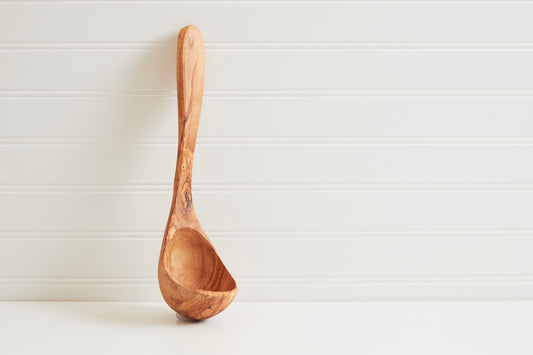
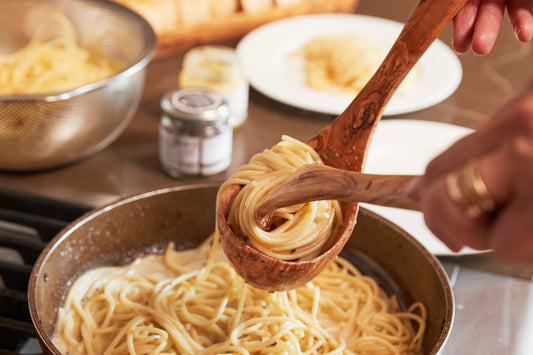
Italian Olivewood Ladle
Regular price $50.00Sale price $50.00 Regular price
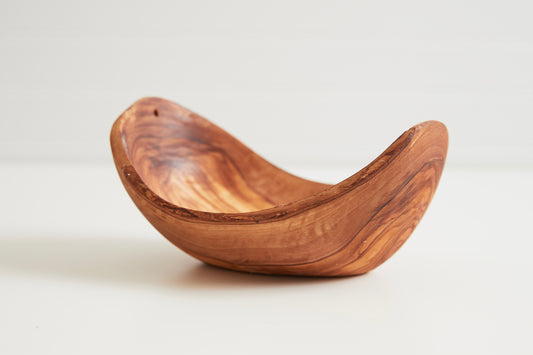
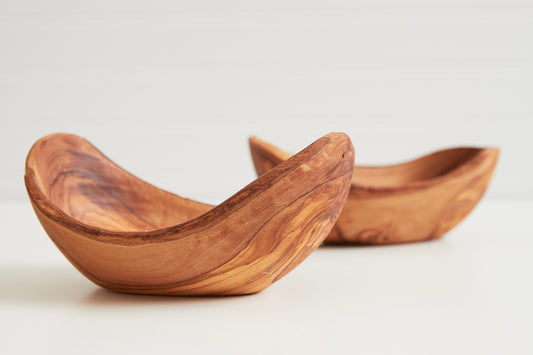
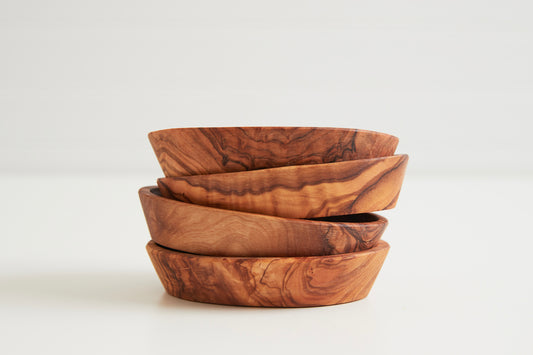
Italian Olivewood Collection
Why Italian Olivewood?
Our olivewood collection comes from family workshops in Umbria's medieval towns, where artisans have crafted kitchen tools from olive trees for generations. Olivewood offers measurable advantages over bamboo, plastic, and softer woods:
Natural Antibacterial Properties: Research shows olivewood surfaces exhibit zero bacterial growth after 12 hours of exposure, even when scratched with a knife. The wood's dense grain structure (0.70 specific gravity vs. pine's 0.50) and natural polyphenols—the same compounds found in olive oil—prevent bacteria from reproducing in surface micro-fissures.
Exceptional Durability: Olivewood measures 990 kg/m³ on the Janka hardness scale, making it harder than oak or maple. Testing demonstrates olivewood maintains structural integrity after 5,000 uses, while softer woods like bamboo begin showing wear after 1,000-2,000 uses. Properly maintained olivewood utensils last 10-20 years.
Sustainable Sourcing: Olivewood is never harvested from living trees. Our artisan partners source wood exclusively from pruned branches during the tree's regular maintenance cycle or from trees that no longer produce fruit. This makes olivewood a byproduct of sustainable agriculture, not deforestation.
Heat & Moisture Resistance: The wood's natural oils create a protective barrier that resists warping and cracking under cooking temperatures. Olivewood won't scratch non-stick cookware, absorb food odors, or stain from acidic ingredients.
Unique Grain Patterns: Olive trees grow slowly over centuries—some live 500+ years—producing extraordinarily dense wood with wild, swirling grain patterns. No two pieces are identical because no two growth patterns are identical.
Care & Maintenance
Olivewood requires minimal care to maintain its performance and appearance:
- Hand wash only: Wash with warm water and mild soap immediately after use. Never soak or place in dishwasher—prolonged water exposure causes cracking.
- Dry thoroughly: Wipe dry with a towel right after washing to prevent moisture absorption.
- Oil monthly: Apply food-safe mineral oil or olive oil once per month for frequently used items. This prevents drying and maintains the wood's rich color.
- Avoid temperature extremes: Don't leave olivewood near stovetops or in direct sunlight for extended periods.
With proper care, your olivewood pieces will develop a beautiful patina and last decades.
Olivewood vs. Other Materials
| Material | Janka Hardness | Antibacterial | Lifespan | Sustainability | Knife-Friendly |
|---|---|---|---|---|---|
| Olivewood | 990 kg/m³ | Yes (natural polyphenols) | 10-20 years | High (pruned branches) | Yes |
| Bamboo | 1400 kg/m³ | Moderate | 3-5 years | Moderate (requires glue, high silicate dulls knives) | No (19% harder than maple) |
| Maple | 1450 lbf | Moderate | 8-12 years | Moderate | Yes |
| Teak | 1100 lbf | Moderate | 10-15 years | Low (often unsustainable harvest) | No (high silicate content) |
| Plastic | N/A | No (bacteria thrive in scratches) | 1-2 years | Low | No |
Olivewood offers the best balance of antibacterial properties, durability, and aesthetic appeal while remaining gentle on knife edges.
Frequently Asked Questions
Is olivewood safe for food preparation?
Yes. Olivewood is naturally antibacterial due to its dense grain structure and polyphenols—the same compounds in olive oil. Research shows bacteria pulled into olivewood's micro-fissures cannot reproduce and die off, unlike plastic where bacteria thrive in surface scratches. The European Food Safety Authority confirms properly maintained natural wood is safe for food use.
How long do olivewood utensils last?
With proper care, olivewood utensils last 10-20 years. The wood maintains structural integrity after 5,000 uses, significantly outlasting bamboo (1,000-2,000 uses) and plastic (replaced annually). Monthly oiling and hand washing prevent cracking and extend lifespan.
How do I care for olivewood products?
Hand wash with warm water and mild soap immediately after use, then dry thoroughly. Apply food-safe mineral oil once per month to prevent drying. Never soak olivewood or place it in the dishwasher—prolonged water exposure causes cracking. Avoid leaving near heat sources or in direct sunlight.
Why is olivewood more expensive than bamboo?
Olivewood is denser (990 kg/m³ vs. bamboo's 1400 kg/m³ but with better flexibility), naturally antibacterial, and lasts 2-4 times longer than bamboo. It's sourced sustainably from pruned branches or non-fruiting trees, not mass-produced. Each piece is handcrafted by artisans in Umbria, Italy, ensuring quality and uniqueness.
Will olivewood scratch my non-stick pans?
No. Olivewood's smooth, non-abrasive surface won't scratch non-stick coatings, ceramic, stainless steel, or cast iron. Unlike metal spatulas that damage non-stick surfaces over time, olivewood preserves your cookware.
Where does your olivewood come from?
Our olivewood is handcrafted by artisan partners in Umbria, Italy—a small medieval town where families have worked with olivewood for generations. The wood comes exclusively from pruned branches during the olive tree's regular maintenance cycle or from trees that no longer produce fruit. No living trees are felled for timber.
Does olivewood absorb food odors or stains?
No. Olivewood's tight grain structure (0.70 specific gravity) resists liquid and odor absorption. The wood's natural oils repel water and prevent staining from acidic ingredients. A simple wash with soap and water removes all food residue without lingering smells.
How is olivewood more sustainable than other woods?
Olivewood is a byproduct of sustainable agriculture. Olive trees are grown primarily for fruit and oil; wood is harvested only from pruned branches or non-fruiting trees. This contrasts with teak (often unsustainably harvested) and oak (forests cut specifically for timber). Olivewood doesn't contribute to deforestation.