
Collection: Italian Pizza and Pasta Tools
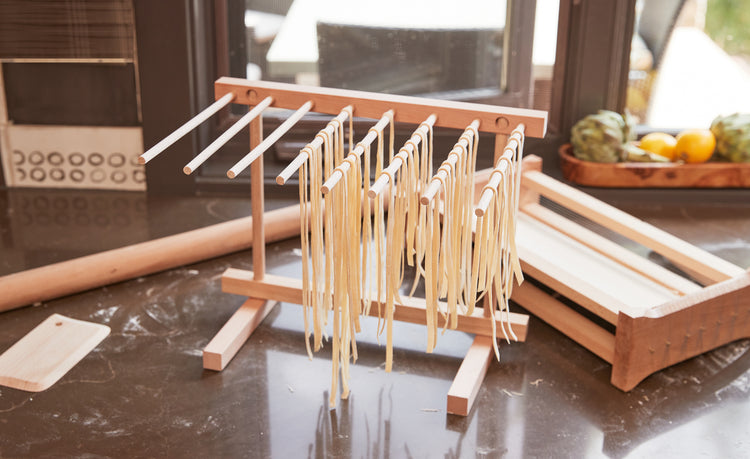
Handcrafted Italian pasta and pizza tools made by artisans in Italy. From traditional chitarra pasta cutters to beechwood ravioli molds, each tool is designed to bring authentic Italian pasta-making traditions into your kitchen while adding functionality and beauty to your cooking process.
Italian Pizza and Pasta Tools
Why Choose Artisan-Made Italian Pasta Tools
Handmade pasta tools offer distinct advantages over mass-produced alternatives. Artisan-made products use higher-quality materials and traditional construction methods, resulting in tools that can last for generations. Each piece reflects individual craftsmanship—no two items are identical, and the variations add character rather than indicating flaws.
The environmental impact matters too. Artisan production generates less waste than factory manufacturing and typically uses sustainably sourced materials. When you purchase from Verve Culture, you're supporting skilled Italian artisans who preserve centuries-old techniques, not factory assembly lines.
Making pasta from scratch creates family bonding opportunities and preserves culinary traditions. Fresh pasta takes about half the cooking time of dried pasta—roughly 5 minutes versus 10-11 minutes—and the texture and flavor are noticeably different.
Traditional Tools in This Collection
Chitarra Pasta Cutters
The chitarra (pronounced "key-tahr-rah") originated in the Abruzzo region of Italy around the 1800s. First documented in an 1871 notary record as part of a bride's dowry, this guitar-like tool cuts fresh pasta sheets into square-shaped spaghetti alla chitarra. The steel wires create textured edges that help sauce cling better than round extruded pasta. Most chitarre are double-sided, with narrower strings (3mm) for thin noodles and wider strings (6mm) for fettuccine.
Ravioli Molds and Rolling Pins
Traditional ravioli molds streamline the process of making filled pasta. The 12-cavity molds in this collection are made from stainless steel with beechwood rolling pins, allowing you to create uniform ravioli quickly. The molds ensure consistent portion sizes and seal edges properly to prevent filling from leaking during cooking.
Mattarello Rolling Pins
Italian mattarello rolling pins are longer and thinner than standard American rolling pins, designed specifically for rolling pasta dough into thin, even sheets. The extended length (typically 30+ inches) gives you better control when working with large amounts of dough, and the smooth beechwood surface prevents sticking without requiring excessive flour.
Pizza Peels and Cutters
Wooden pizza peels allow you to transfer pizzas in and out of hot ovens safely, while the accompanying pizza cutters feature sharp wheels and comfortable wooden grips. These tools are designed for home pizza-making, whether you're using a conventional oven, pizza stone, or outdoor pizza oven.
About Authentic Italian "00" Flour
Several products in this collection include authentic Italian "00" flour, milled specifically for pasta and pizza making. This finely ground flour creates silky pasta dough and crispy pizza crusts. The "00" designation refers to the fineness of the grind—the finest available—which produces a delicate texture that's difficult to achieve with all-purpose flour.
Care and Maintenance
Most wooden pasta tools should never be washed with water. Instead, brush away dried flour with a pastry brush and use a plastic scraper for any stuck dough. For chitarra pasta cutters, wipe the wires with a cloth dampened with food-grade mineral oil to prevent rust. Store wooden tools in a dry place—moisture causes warping that affects performance.
The ravioli molds and metal components can be hand-washed and dried immediately. Never soak wooden handles or leave them in standing water.
Why Choose Artisan-Made Italian Pasta Tools
Handmade pasta tools offer distinct advantages over mass-produced alternatives. Artisan-made products use higher-quality materials and traditional construction methods, resulting in tools that can last for generations. Each piece reflects individual craftsmanship—no two items are identical, and the variations add character rather than indicating flaws.
The environmental impact matters too. Artisan production generates less waste than factory manufacturing and typically uses sustainably sourced materials. When you purchase from Verve Culture, you're supporting skilled Italian artisans who preserve centuries-old techniques, not factory assembly lines.
Making pasta from scratch creates family bonding opportunities and preserves culinary traditions. Fresh pasta takes about half the cooking time of dried pasta—roughly 5 minutes versus 10-11 minutes—and the texture and flavor are noticeably different.
Traditional Tools in This Collection
Chitarra Pasta Cutters
The chitarra (pronounced "key-tahr-rah") originated in the Abruzzo region of Italy around the 1800s. First documented in an 1871 notary record as part of a bride's dowry, this guitar-like tool cuts fresh pasta sheets into square-shaped spaghetti alla chitarra. The steel wires create textured edges that help sauce cling better than round extruded pasta. Most chitarre are double-sided, with narrower strings (3mm) for thin noodles and wider strings (6mm) for fettuccine.
Ravioli Molds and Rolling Pins
Traditional ravioli molds streamline the process of making filled pasta. The 12-cavity molds in this collection are made from stainless steel with beechwood rolling pins, allowing you to create uniform ravioli quickly. The molds ensure consistent portion sizes and seal edges properly to prevent filling from leaking during cooking.
Mattarello Rolling Pins
Italian mattarello rolling pins are longer and thinner than standard American rolling pins, designed specifically for rolling pasta dough into thin, even sheets. The extended length (typically 30+ inches) gives you better control when working with large amounts of dough, and the smooth beechwood surface prevents sticking without requiring excessive flour.
Pizza Peels and Cutters
Wooden pizza peels allow you to transfer pizzas in and out of hot ovens safely, while the accompanying pizza cutters feature sharp wheels and comfortable wooden grips. These tools are designed for home pizza-making, whether you're using a conventional oven, pizza stone, or outdoor pizza oven.
About Authentic Italian "00" Flour
Several products in this collection include authentic Italian "00" flour, milled specifically for pasta and pizza making. This finely ground flour creates silky pasta dough and crispy pizza crusts. The "00" designation refers to the fineness of the grind—the finest available—which produces a delicate texture that's difficult to achieve with all-purpose flour.
Care and Maintenance
Most wooden pasta tools should never be washed with water. Instead, brush away dried flour with a pastry brush and use a plastic scraper for any stuck dough. For chitarra pasta cutters, wipe the wires with a cloth dampened with food-grade mineral oil to prevent rust. Store wooden tools in a dry place—moisture causes warping that affects performance.
The ravioli molds and metal components can be hand-washed and dried immediately. Never soak wooden handles or leave them in standing water.
Frequently Asked Questions
What makes these Italian pasta tools different from mass-produced alternatives?
These tools are handcrafted by artisans in Italy using traditional techniques and high-quality materials like beechwood and stainless steel. Artisan-made products typically last longer than mass-produced versions because makers select superior materials and employ time-tested construction methods. Each piece is unique—no two are identical—and the tools preserve centuries-old Italian pasta-making traditions that would otherwise disappear.
Do I need special flour to make fresh pasta?
Italian "00" flour is recommended for the best results. This finely milled flour creates silky pasta dough with a delicate texture that's difficult to achieve with all-purpose flour. Several products in this collection include "00" flour specifically milled for pasta-making. However, you can start with all-purpose flour if "00" isn't available—the tools will still work, though the texture will be slightly different.
How long does it take to make fresh pasta with these tools?
Making pasta dough takes about 10-15 minutes of active work, plus 30 minutes of resting time. Rolling and cutting with a chitarra or ravioli mold adds another 15-20 minutes depending on the quantity. Fresh pasta cooks in about 5 minutes compared to 10-11 minutes for dried pasta. The total time investment is roughly 1 hour from start to finish for a batch that serves 4-6 people.
What is a chitarra pasta cutter and how do you use it?
A chitarra (Italian for "guitar") is a traditional pasta-cutting tool from the Abruzzo region of Italy, invented around the 1800s. It features stainless steel wires strung across a wooden frame. You place a rolled pasta sheet on the wires and press down with a rolling pin, cutting the dough into square-shaped spaghetti. The square edges and textured surface help sauce cling better than round extruded pasta. The chitarra was first documented in 1871 as part of a bride's dowry, showing its cultural importance in Italian families.
Are these tools suitable for beginners?
Yes. The ravioli molds, rolling pins, and gnocchi boards are particularly beginner-friendly because they guide the shaping process. The chitarra requires a bit of practice to get the dough thickness right, but it's not difficult—you're essentially just rolling a pin over wires. Most people achieve good results within 2-3 attempts. The included instructions and the tactile nature of the tools make the learning process intuitive.
How do I clean and maintain wooden pasta tools?
Never wash wooden pasta tools with water—moisture causes warping. Instead, let any dough dry completely, then brush it away with a pastry brush. For stuck bits, use a plastic scraper. For chitarra pasta cutters, periodically wipe the wires with a cloth dampened with food-grade mineral oil to prevent rust. Store all wooden tools in a dry place away from humidity. Metal components like ravioli molds can be hand-washed and dried immediately.
Why are handmade pasta tools more expensive?
Artisan-made tools cost more because they require skilled labor, quality materials, and traditional construction methods. A craftsman might spend several hours creating a single chitarra, carefully stringing and tensioning each wire. Mass-produced tools use cheaper materials and automated processes to reduce costs, but they often lack durability and the attention to detail that makes artisan tools last for decades. The higher initial cost is offset by longevity—these tools can become family heirlooms.
Can I make pizza with these tools if I don't have a pizza oven?
Yes. The pizza peels and cutters work with conventional home ovens, pizza stones, or outdoor pizza ovens. A pizza stone or steel in a standard oven preheated to 500°F produces excellent results. The wooden peel allows you to slide the pizza onto the hot stone safely, and the cutter makes portioning easy. The included "00" pizza crust kits are formulated to work in home ovens.
What's included in the pasta and pizza making bundles?
The Homemade Ravioli Bundle includes a 12-piece ravioli mold with roller, pasta flour, pesto, and a wooden spoon. The Homemade Pizza Bundle includes a pizza peel, pizza cutter, pizza sauce, and a pizza crust kit. These bundles provide everything you need to start making authentic Italian pasta or pizza immediately—just add water and fresh ingredients. They're designed as complete starter kits for people new to Italian cooking.
Do these tools require any special storage?
Wooden tools should be stored in a dry place away from humidity and direct sunlight, which can cause warping or cracking. The chitarra pasta cutters come with storage boxes or can be hung on a wall. Most tools in this collection are designed to be both functional and beautiful, so many customers display them in their kitchens rather than hiding them in cabinets. Just ensure they're not exposed to moisture or extreme temperature changes.